How to Be More Mindful Without Meditating

When you think of mindfulness, does the image of a meditating guru on a mountainside spring to mind?
Contrary to what you may have heard, you don’t have to meditate or do yoga to be more mindful (although you can certainly do that if you’d like). You just need to drop into the present and stay there long enough to savor and enjoy it.
Put simply, mindfulness is being aware of the present moment as it’s happening, and without judgement. That’s it!
This is much easier said than done, especially considering how fast paced and overstimulating the digital, modern world has become. But study after study shows that the more mindful you are on a daily basis, the more satisfied and less anxious you’ll be.
If you’re not sure where to start, here are 5 daily practices to help you be more mindful without meditating.
What is mindfulness?
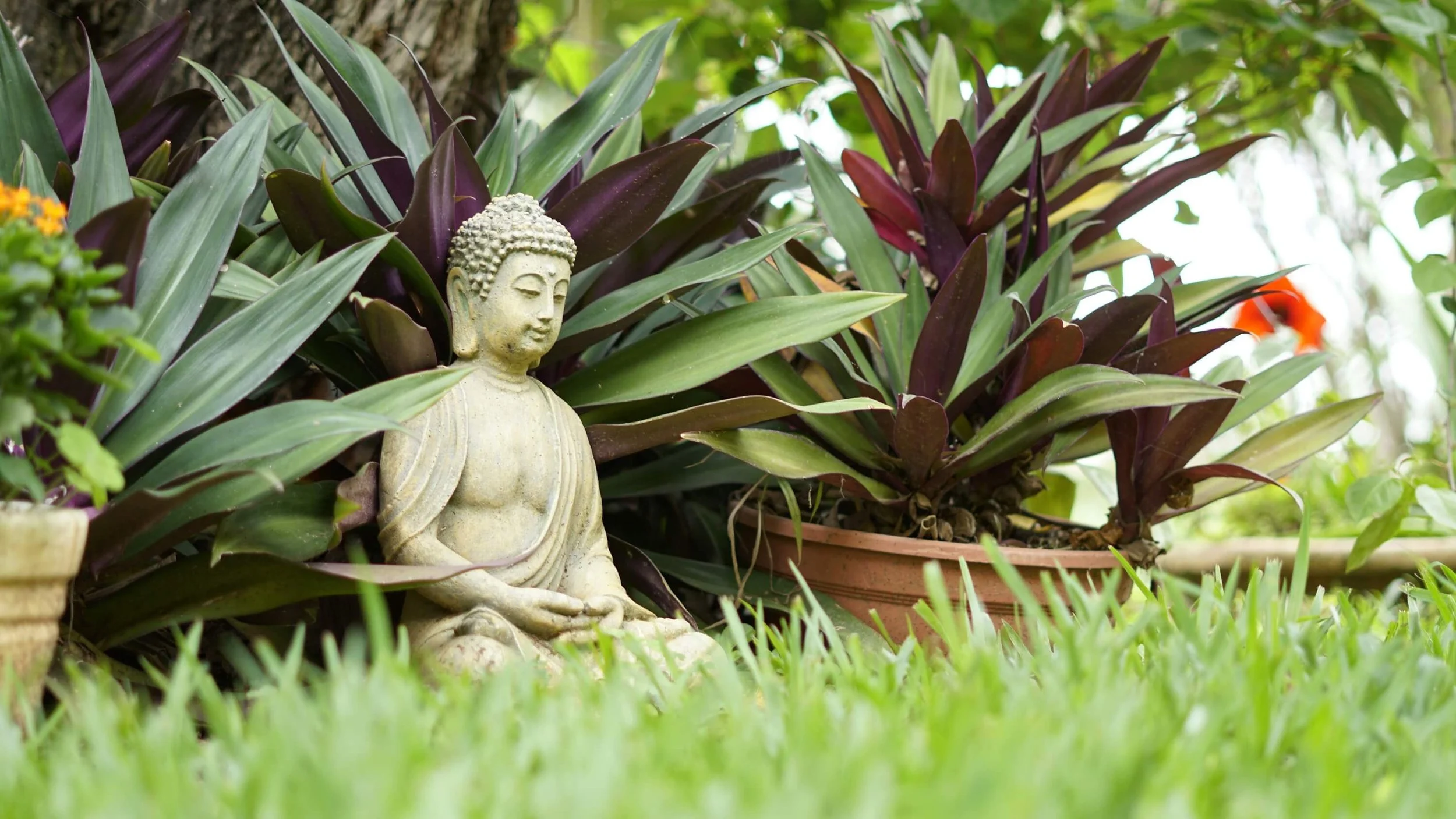
As I mentioned, mindfulness is simply being aware of the present moment as it’s happening, and without judgment.
There’s a lot of misinformation out there that conflates mindfulness with meditation. While there is a form of mindfulness that involves meditating, it’s not a prerequisite to be a more mindful person. Meditating will absolutely help you be a more mindful person, but it’s not required.
One important thing to keep in mind is that while your goal is to keep your attention in the present, the real work is noticing when your attention has drifted and then gently returning it to the present moment without getting caught up in frustration or even hopelessness that it’s never going to work.
Your brain is a 24/7, thought-producing machine. Your attention will drift because that’s how your brain is designed. Rather than get frustrated, just notice when it drifts and then bring your attention back to whatever you’re trying to pay attention to.
Set Daily Check-in Alarms
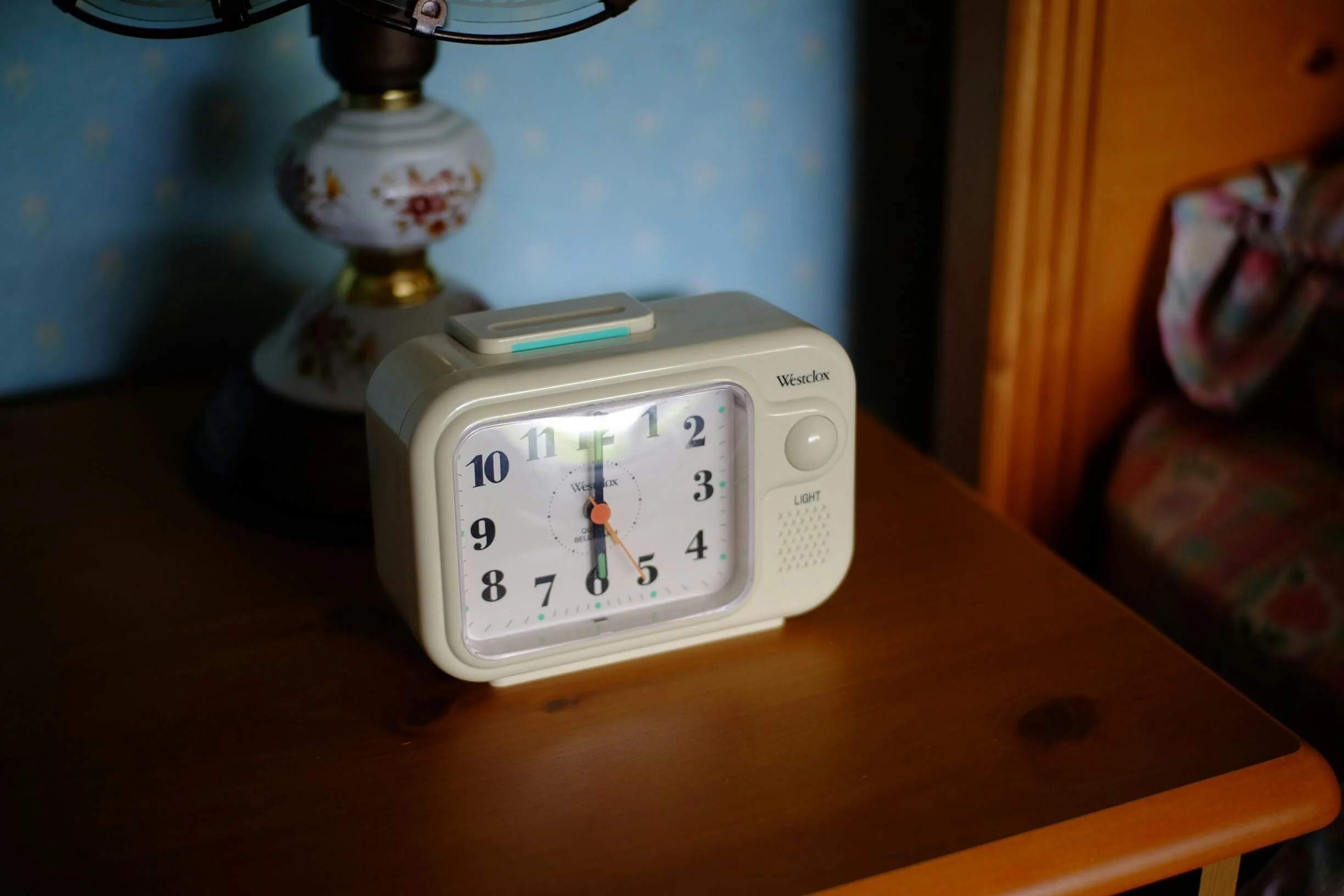
Life happens. You get caught up in whatever’s going on, and unfortunately the modern world isn’t naturally designed for a slower, more thoughtful pace. No matter how badly you want to slow down and be mindful, you’re likely going to forget.
A really easy way to remember is to set a daily alarm. I personally prefer using Google Calendar for reminders, but you can choose the format that works best for you.
You may find a phone alarm is too easy to snooze or swipe away and you need something physical (like an actual alarm clock) that requires you to get up and acknowledge it.
Pick times throughout the day when you’re more likely to have the space to slow down and be mindful or any time you know it’ll benefit you (even if it’s hard). When the alarm goes off, finish up what you’re doing and take a deep breath. Feel your feet on the floor and notice what it’s like to be fully in the present moment.
If you like, you can also set a timer for a few minutes to stay present and grounded. Remember that your goal is to gently bring your attention back to the present when your mind wanders, not fight to keep your mind from wandering.
Although it might seem silly to set a reminder to be mindful, consider whether not having one is working. There’s no shame in needing a reminder to do what matters!
Practice the 5-4-3-2-1 Grounding Exercise
This is a wonderful sensory experience that is especially useful if you struggle with anxiety, racing thoughts, or overthinking.
It’s so easy to get caught up in a whirlwind of thoughts that you lose sight of all your other senses. All you need to do is pause, then look for five things you can see, four things you can touch, three things you can hear, two things you can smell, and one thing you can taste.
You can take this a step further and pick one object to study mindfully for a few minutes. Feel the weight in your hands, notice the texture, the colors, smells (if any), and any other interesting qualities.
This kind of mindful attention can help you appreciate your environment, bring you back to the present, and keep you grounded. This is especially useful if you’re prone to anxiety or panic attacks.
This can be a useful intervention to interrupt negative thought patterns, ruminating, or catastrophizing. This activity is meant to bring your attention to other parts of your awareness, rather than only having thoughts or feelings dominate your experience.
Instructions:
Take a deep belly breath to begin.
5 - LOOK: Look around for 5 things that you can see, and say them out loud.
4 - FEEL: Pay attention to your body and think of 4 things that you can feel, and say them out loud. It could be the chair you're sitting on, your hair on your shoulders, etc.
3 - LISTEN: Listen for 3 sounds. It could be the sound of traffic outside, the sound of typing or birds chirping. Say the three things out loud.
2 - SMELL: Say two things you can smell. If you can’t smell anything at the moment, then name your 2 favorite smells.
1 - TASTE: Say one thing you can taste. If you can’t taste anything, then say your favorite thing to taste.
Take another deep belly breath to end. If you're still feeling stuck in your own thoughts, pick 1 object to really study mindfully.
Related: 3 Ways to Calm a Panic Attack
are you doing everything, but still feel behind?
Check out my brand new Burnout Recovery Guide Workbook: you’ll get practical strategies to reset your nervous system, set more effective boundaries, and finally recover from burnout. Reclaim your energy, peace, and confidence with this easy-to-implement system!
Practice Mindful Eating

Note: if you’d prefer not to center your mindfulness around food, you can easily replace this activity with drawing or coloring a picture, listening to a song, or anything else you enjoy
When you sit down to eat, do you typically watch something on Netflix, talk on the phone, or otherwise distract yourself to the point you stop tasting your food?
It’s likely you’ve then looked down and been surprised to see you’ve almost finished your meal and barely got to enjoy it.
A really simple way to be more mindful is to practice mindful eating. Pick your favorite snack or meal and set a timer for 5 minutes. During those 5 minutes, you’ll do nothing but engage with your food and savor it.
Look at the colors, smell the aromas, savor the taste, and really experience what it’s like to eat this favorite treat. You may find your attention wanders or it’s easy to get distracted, and that’s OK! Simply bring your attention back to the taste and continue until the timer goes off.
Pick a time when you’re least likely to be interrupted and set expectations with anyone you live with that you’d like them to not interrupt (or if you’d like, that they practice it with you).
Instructions:
Pick your favorite treat or snack, ideally something with different colors or textures
Set a timer for 5 minutes
Spend those 5 minutes fully engaged with eating this meal, paying attention to every aspect of your sensory experience
Notice whenever your mind wanders and bring it back to what you’re eating
Take a Mindful Walk

Being out in nature is one of the best ways to improve your mental health and bring a sense of calm into your daily life. Research shows that looking at greenery can instantly improve your mood.
If you typically listen to music, podcasts, or talk on the phone while you walk, try setting aside at least 5-10 minutes when you can fully drop into your walk.
Have a look at the various shades of colors, listen to the cacophony of bird calls, feel your feet walking along the path. You can also make a little game out of it by looking for certain types of trees, leaves, colors, or sounds.
See what happens at the end of your walk. Do you feel more at ease or calm? Was it enjoyable to slow down? Did you struggle to keep your focus on the present moment?
Consider any struggles a good indication that you’re approaching a growth edge. It’s easy to get distracted by various thoughts or the urge to get to the next thing, and it can feel uncomfortable to do the exact opposite. Uncomfortable doesn’t necessarily mean bad.
Keep at it for 30 days and then assess whether your mood has changed overall.
Instructions:
Schedule a time to take a relaxing walk and set a timer for 5-10 minutes
Instead of listening to music or talking on the phone, look around and notice what you see
Look for different colors and shapes, listen to birdcalls, and feel your body move as you walk
Every time your attention drifts, gently bring it back to your walk
Start a Gratitude Practice
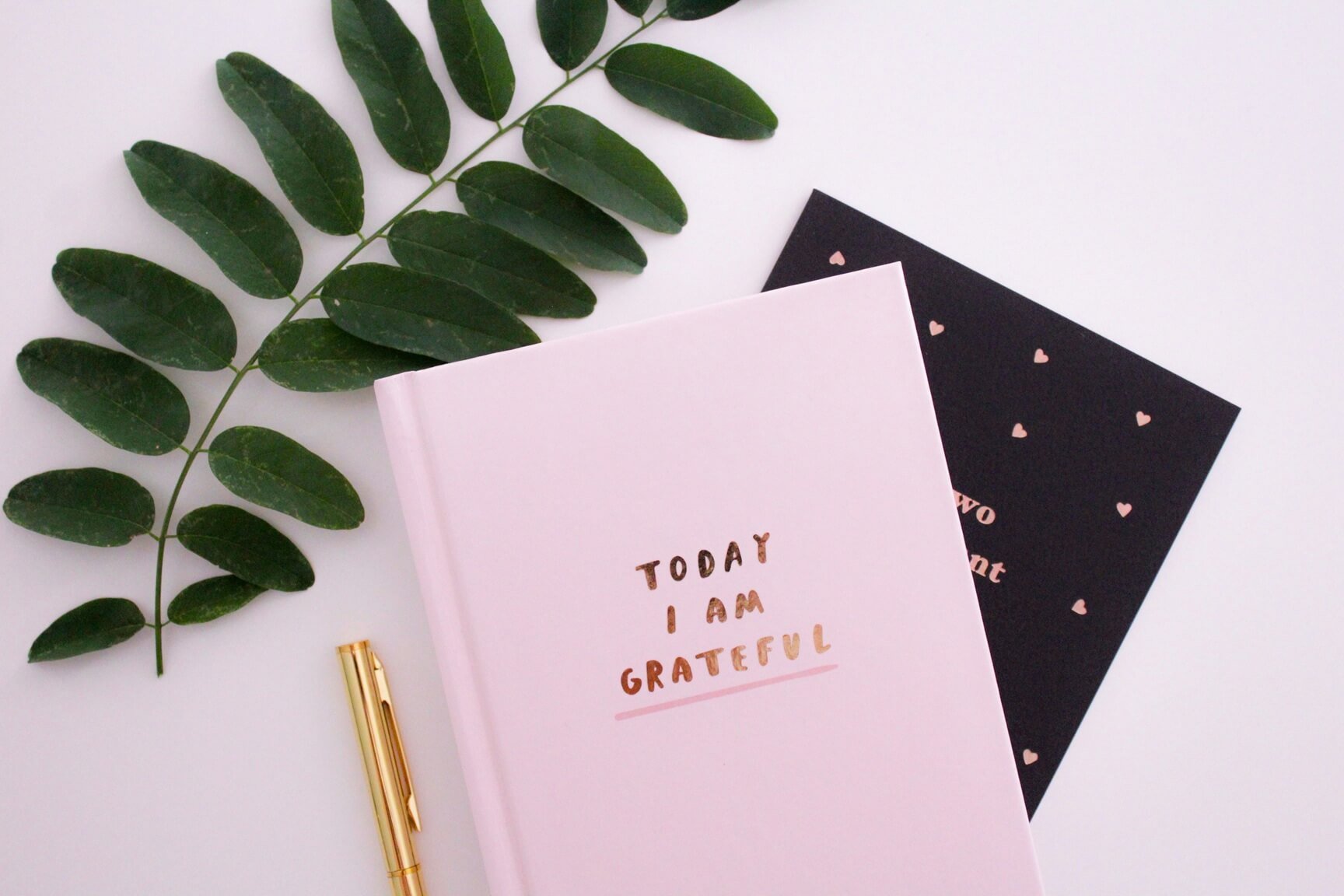
Your mind has what’s called a negativity bias: it’ll highlight and focus on anything negatively because that’s what will require problem solving. This is something your brain does naturally to keep you safe, but it’s not a recipe for long-term satisfaction.
Taking the time to notice what you’re grateful for is a wonderful way to bring more mindfulness into your routine.
According to Harvard, gratitude can build greater happiness. It can help you savor pleasant experiences, improve your health, cope with setbacks, and feel more connected in your relationships.
Gratitude doesn’t mean ignoring the negative or being toxically positive. It means taking a few moments to find true enjoyment of what you’re thankful for so that you’re always keeping the bigger picture in perspective.
I was interviewed by MindBodyGreen about gratitude. You’ll find some of my thoughts as well as therapist-approved gratitude prompts.
Instructions
Pick a consistent time each day and set a 5-minute timer
Use a gratitude journal to write down what you’re grateful for or answer some prompts
Take the time to really savor and take in the good
If you miss a day (or a few), simply resume without beating yourself up
Related: 10 Small Ways to Improve Your Life
There you have it! I hope this helps you reframe mindfulness into present moment awareness, rather than just meditation. You’ll likely find that the more mindful you are, the more at ease you’ll feel.
Try incorporating small, mindful habits into your day-to-day routine and you’ll quickly see the benefits.